
Soul Brothers – Goodbye to the God Complex?
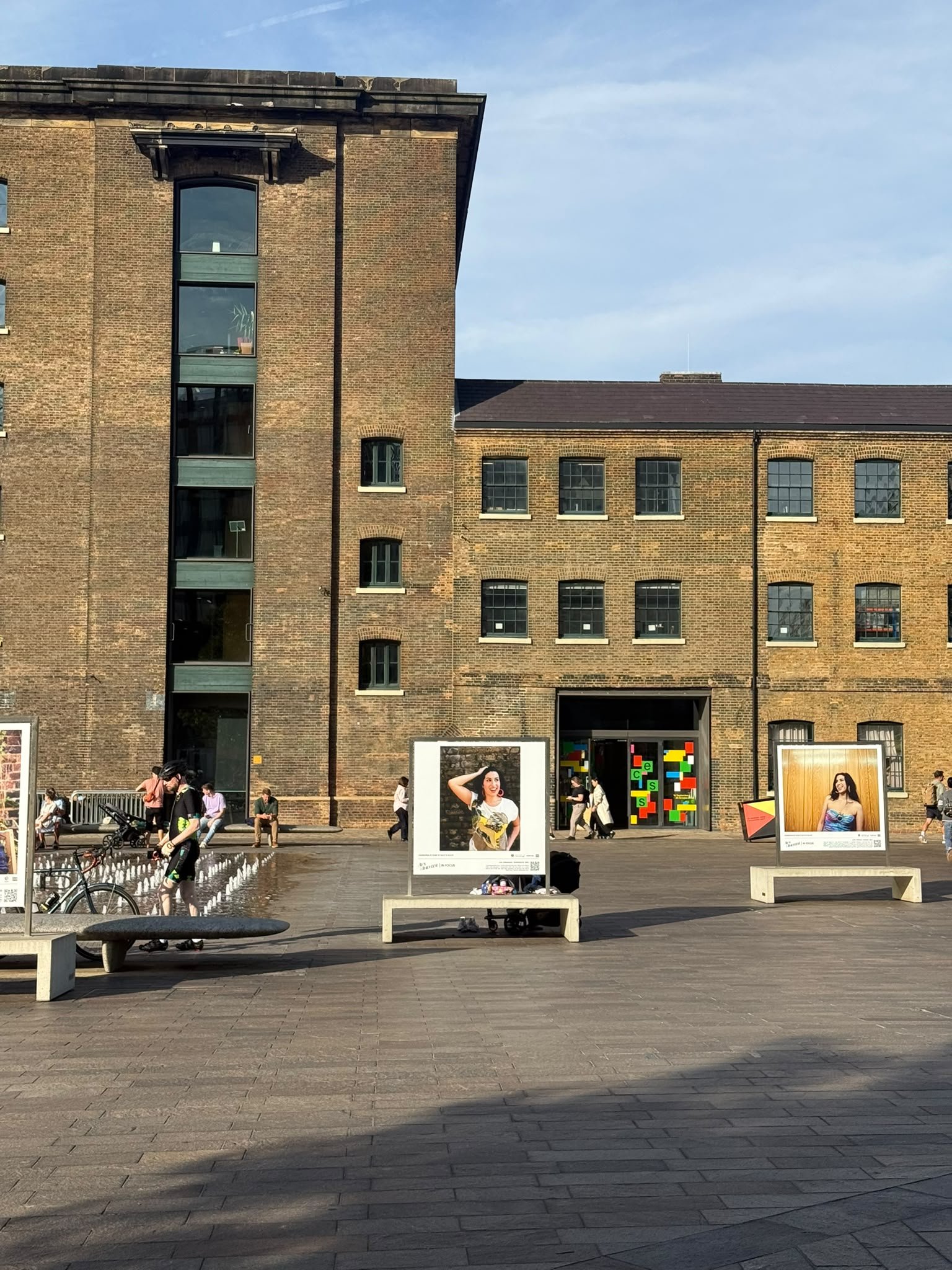
Last week I spent time at King’s Cross with the King’s Cross Group, looking at the offices, retail, residential and public realm that now make up one of London’s most significant mixed-use developments.
There was a lot to take away from the visit.
But one comment stayed with me:
“We don’t own the soul of King’s Cross.”
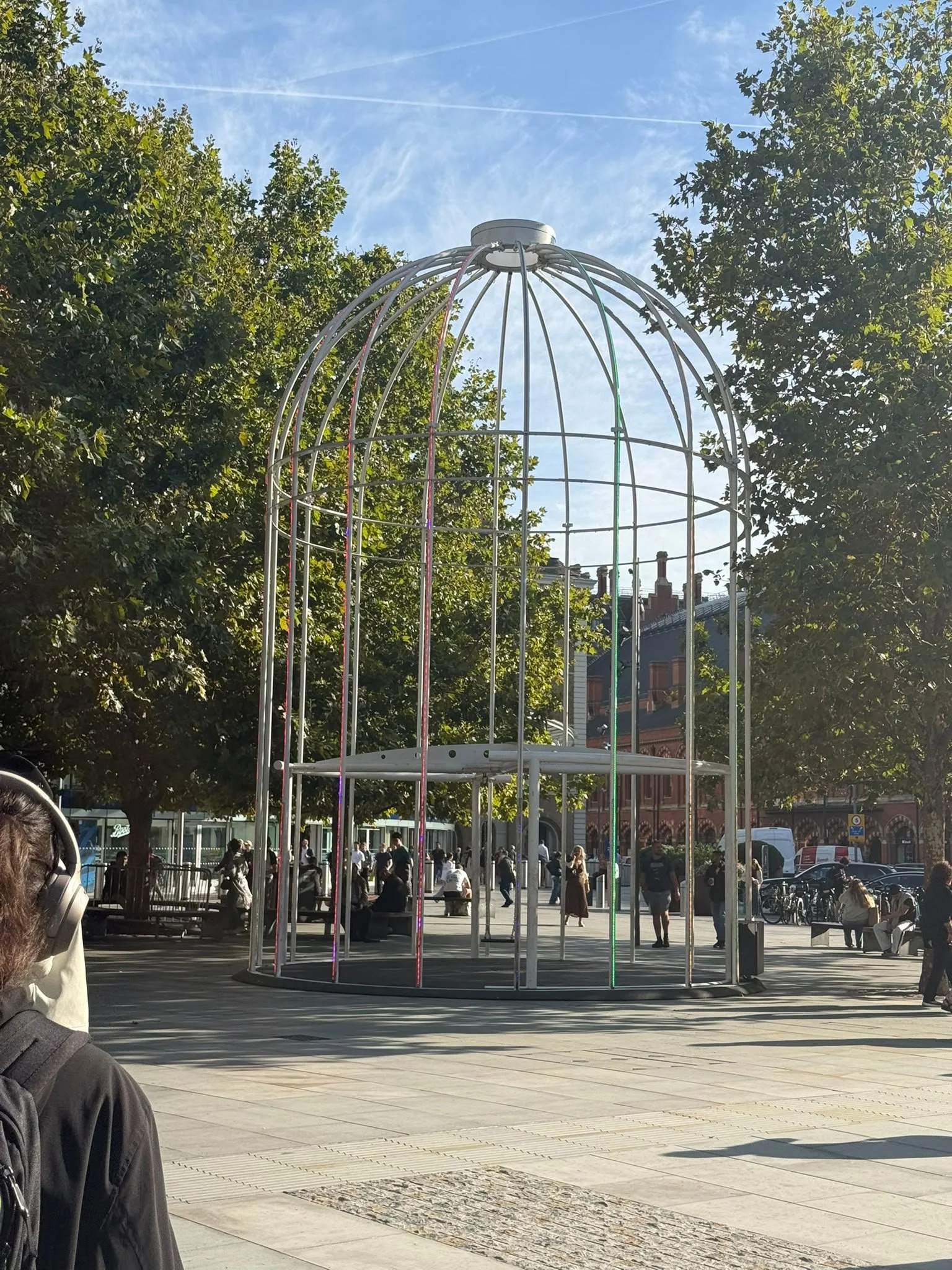
It is a remarkably powerful thing for the owner and custodian of a major estate to say.
Because, of course, you can own the land.
You can own the buildings.
You can own the investment.
But can you really own the soul of a place?
By soul, I mean the intangible quality that makes a place feel alive, distinctive and meaningful.
It is not one thing.
· It is character.
· It is memory.
· It is atmosphere.
It is the accumulation of human presence.
It is the feeling of belonging that develops when people begin to see somewhere not simply as a development, but as their place.
And importantly, soul is not the same as brand or identity.
A developer can create an identity. A developer can build a brand.
But soul is much harder to manufacture because it emerges through the interaction of physical place, people, memory and time.
Principles for a Human City
King’s Cross is an especially interesting place to ask that question.
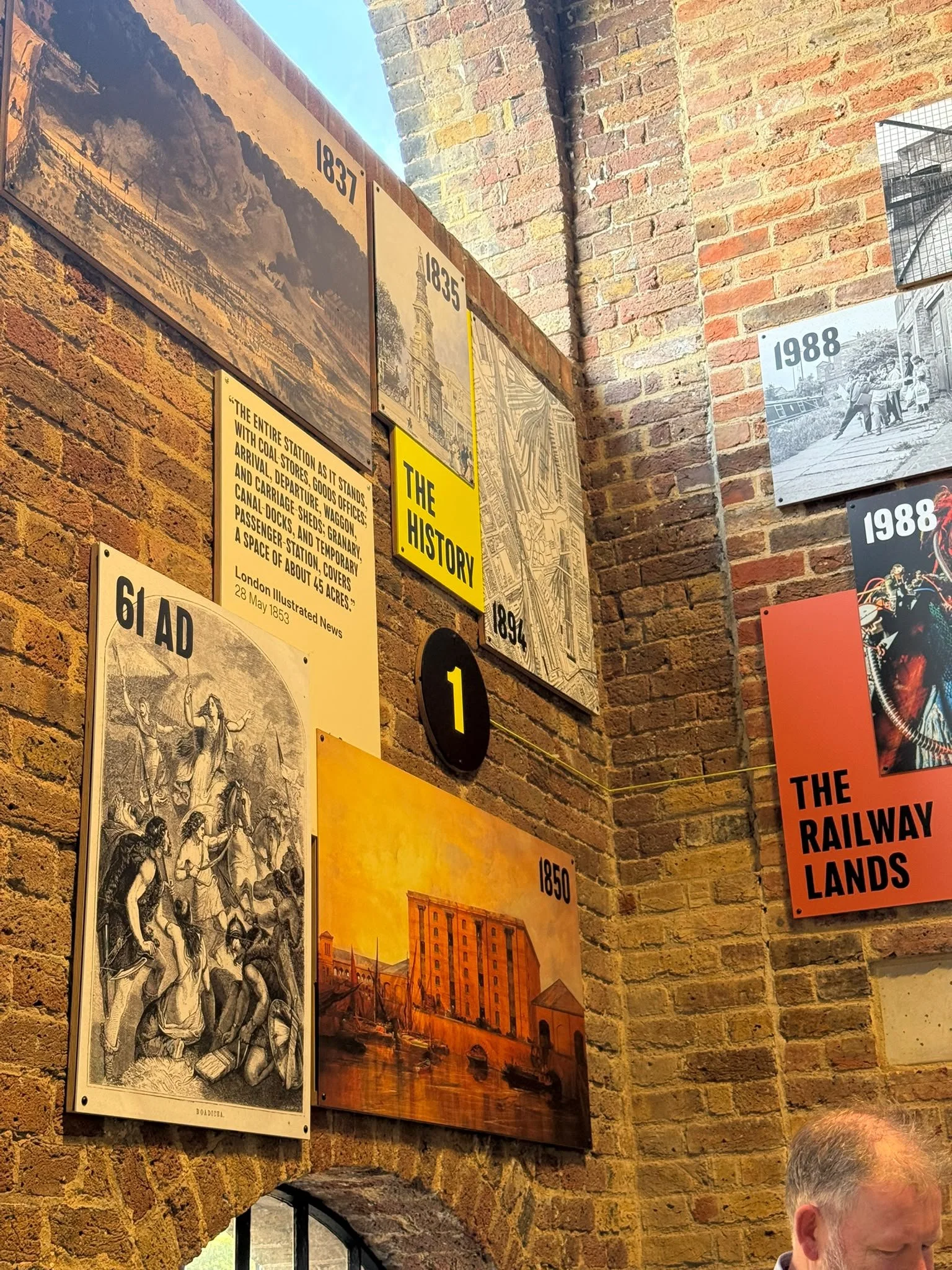
Long before much of what we see today existed, Argent set out a series of principles for the development in its 2001 document, Principles for a Human City.
The title itself says a lot.
The principles weren't principally about architectural style. They were about creating a lasting place, accessibility, mixed use, heritage, engagement, long-term stewardship and a place that worked both for King’s Cross and for London.
In other words: Values before buildings.
And perhaps that has been one of the most important ingredients in what King’s Cross has become.
Walking around yesterday, what struck me was how much of its character comes from things that were already there.
· The railway.
· The canal.
· The Granary.
· The Coal Drops.
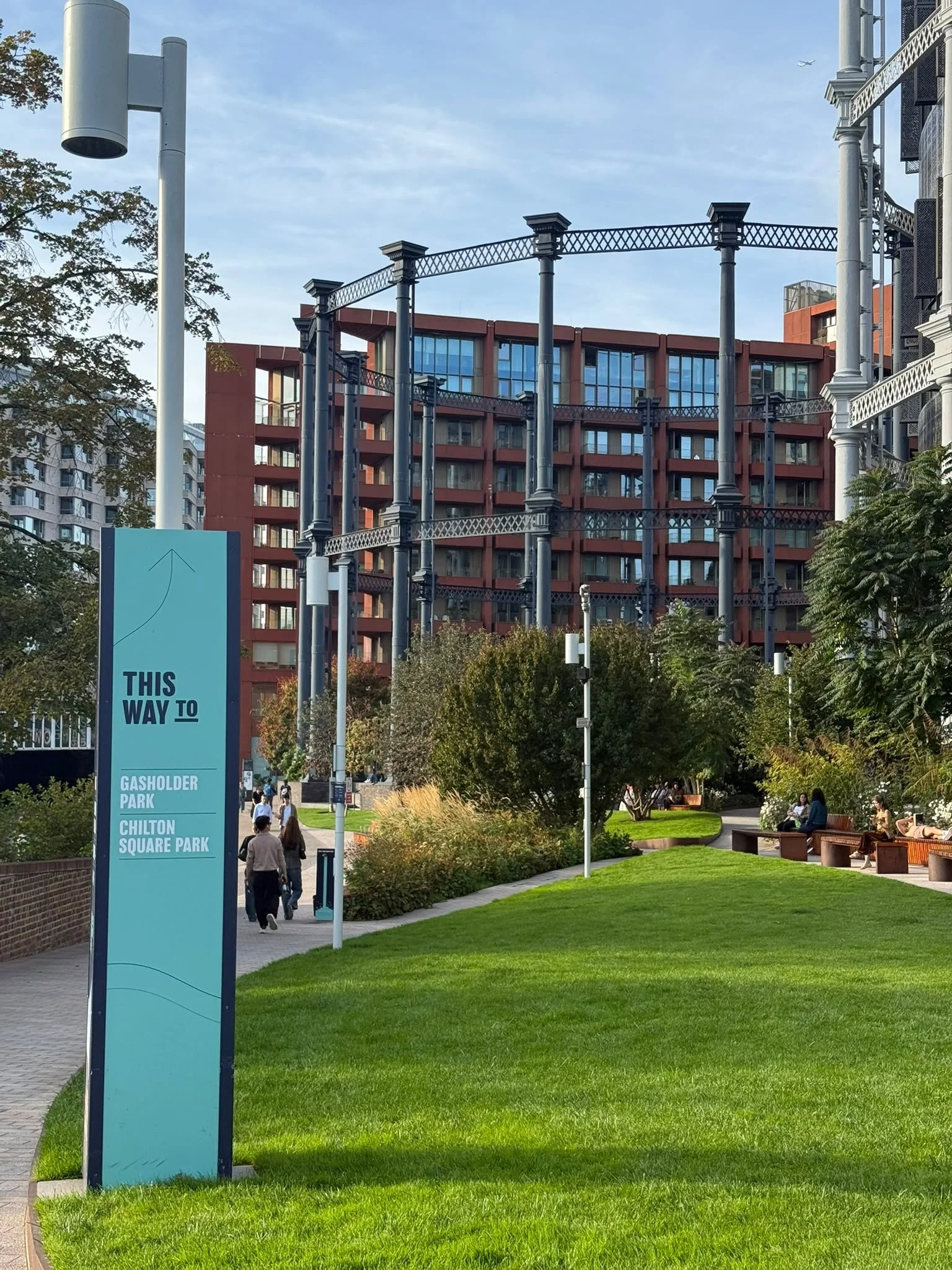
· The gas holders.
The industrial buildings and infrastructure that tell you this place had a life before its redevelopment. Rather than attempting to erase that history and start again, much of it has been incorporated into the new place.
And that raises another question.
Can a developer actually create soul?
Developers are sometimes accused of having a god complex.
There is probably some truth in that.
To take on something on the scale of King’s Cross requires enormous conviction. You have to believe you can reshape a piece of city, persuade investors, planners, politicians and communities to come with you, commit capital over decades and make decisions whose consequences may not be visible for a generation.
Perhaps a certain degree of hubris is necessary just to get a project of that scale moving.
You have to imagine something that does not yet exist and then behave, for a while, as if you can make it real. But the qualities required to start a place may be very different from those required to sustain one. The danger comes when the creator continues to believe that because they made the place, they also own its meaning.
That is where the god complex becomes a problem.
We use the word placemaking constantly in our industry. But perhaps there is a danger in the term itself. It suggests that a developer, architect or masterplanner somehow manufactures a place and presents it, completed, to the people who will use it.
I'm increasingly convinced that isn't how places work.
· Developers can create streets.
· They can commission great buildings.
· They can preserve heritage.
· They can plant trees and create squares.
· They can decide the mix of offices, homes, shops and restaurants.
· They can choose materials, proportions, routes and views.
· And those decisions matter enormously.
But perhaps what they are really creating are the conditions in which a place can acquire soul.
The rest comes from people.
· Someone sits beside the canal every lunchtime.
· A student arrives at Central Saint Martins for the first time.
· Children run through the fountains in Granary Square.
· A resident walks the same route home every evening.
· Someone discovers a favourite café.
· Someone meets a future partner.
· A shopkeeper recognises a regular customer.
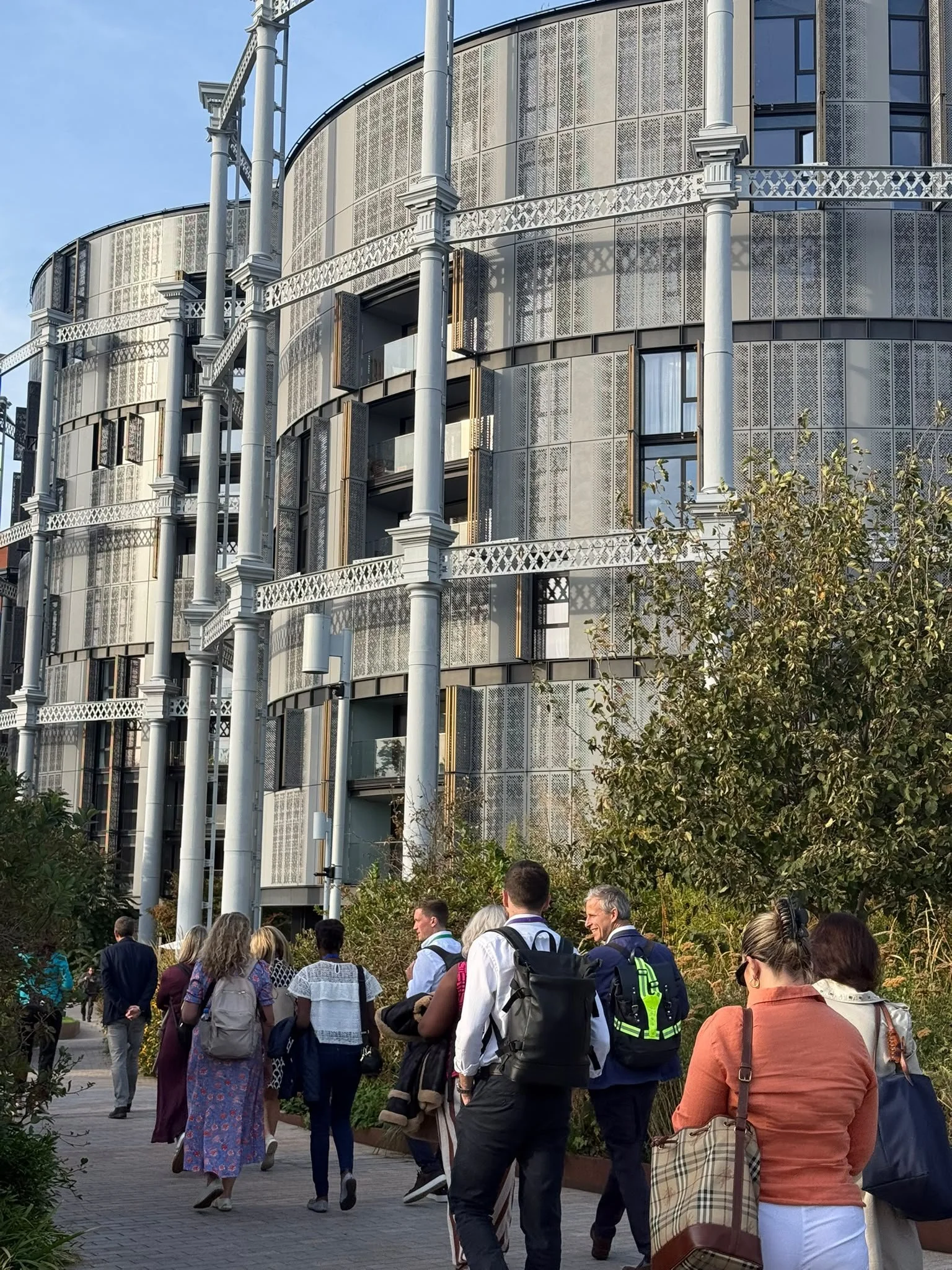
Thousands upon thousands of small moments begin to accumulate and those moments become memories. Memories create attachment and attachment turns space into place.
You could say the developer creates the stage, architecture provides the scenery, but people, memory and time write the play.
Which brings me back to that comment:
“We don't own the soul of King’s Cross.”
Perhaps nobody does.
· The legal owner owns the property.
· The investor owns an economic interest.
· The resident owns or rents a home.
· The retailer leases a shop.
· The architect can claim authorship of a building.
But the meaning of the place belongs to a far wider group of people.
Once a development becomes a genuine place, the role of the owner starts to look less like ownership and more like stewardship.
That requires a different mindset.
At the beginning of a major regeneration project, conviction may be essential. Long-term, humility may matter more.
Stewards have to recognise that the place will develop meanings you did not invent, uses you did not anticipate and attachments that you cannot control.
A great place cannot be completely managed into existence.
It has to be allowed to evolve. People have to appropriate it, reinterpret it, develop rituals around it, criticise it, love parts of it and occasionally use it in ways nobody anticipated.
In other words, at some point the developer has to give part of the place away. Not legally but emotionally.
And perhaps that is one of the best tests of successful placemaking.
One of the lasting thoughts from my visit is that
You may need a touch of the god complex to create a new piece of city.
But you need humility to let it become a place.
Article by Howard Morgan
