Sustainable Buildings Don’t Just Win on Design. They Win on Operations. Why Property Managers Are at the Centre of It.
Topics Covered: Customer experience in real estate, Tenant Experience Surveys, Tenant Satisfaction Surveys, Sustainability and building performance, Occupier behaviour and energy use, Property management, GRESB Surveys, ESG FRI leases, landlord engagement Data, AI and building operations Leasing strategy, Property Management, Real Estate Customer Insight
It will surprise no one that nearly all of the customer insight work we do at RealService has an element of sustainability woven through it.
Ask people what they expect from their buildings and whether those expectations are being met, and sustainability comes up again and again.
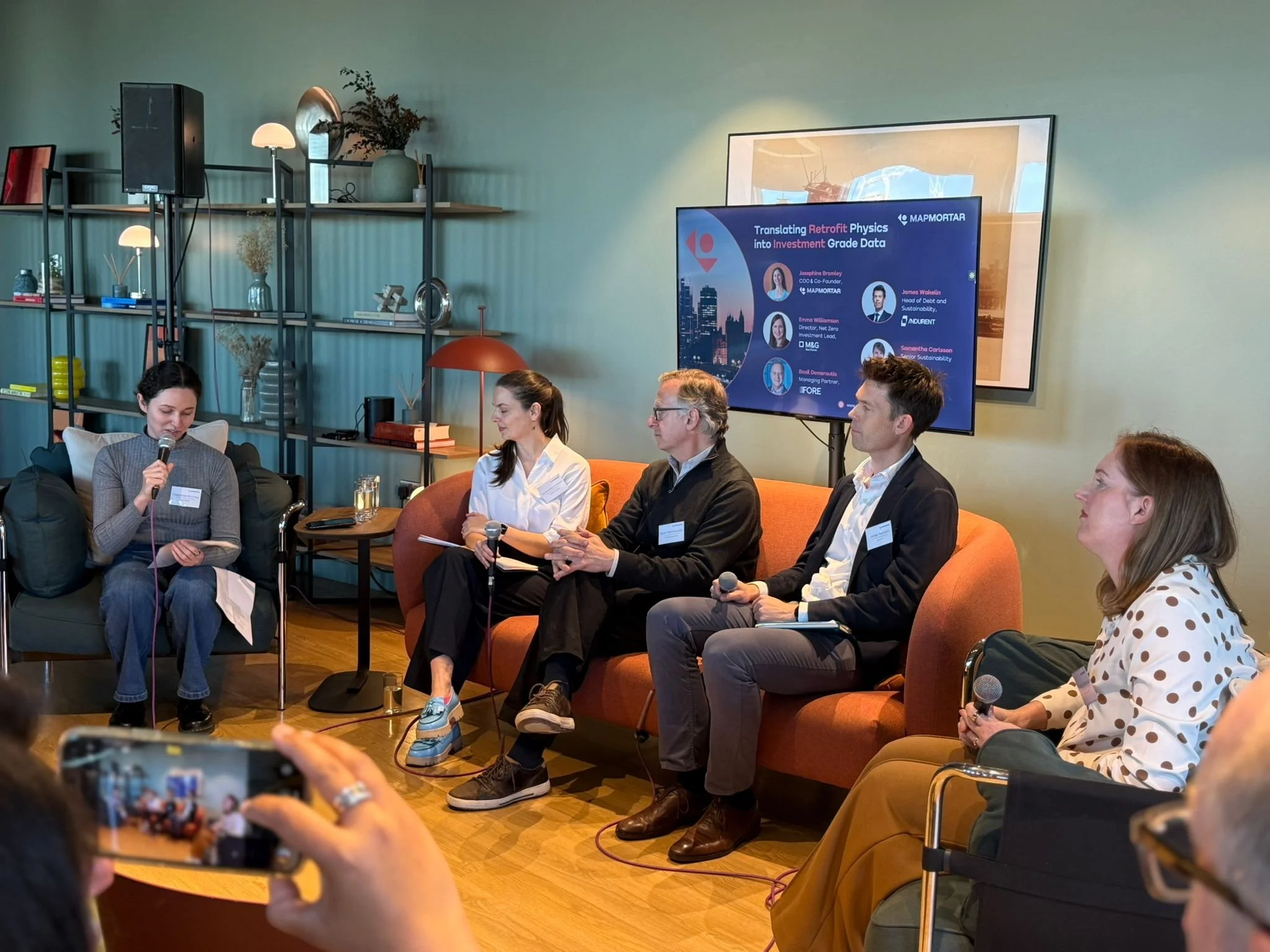
Last night, I was at an event hosted by MapMortar - a reception and panel at TBC London (224 Tower Bridge) - great to be hosted by Bronny Wilson .
The discussion was moderated by Josephine Bromley, and brought together James Wakelin , Emma Williamson, Samantha Carlsson and Basil Demeroutis.
We had drinks, canapés, rooftop views - it was peak London and - at least for people in real estate sustainability - had that slightly surreal “everyone who works in this space is here” feel to it.
After the panel, Basil took us on a tour. It's the kind of place that makes you think, “okay… when I really make it.”
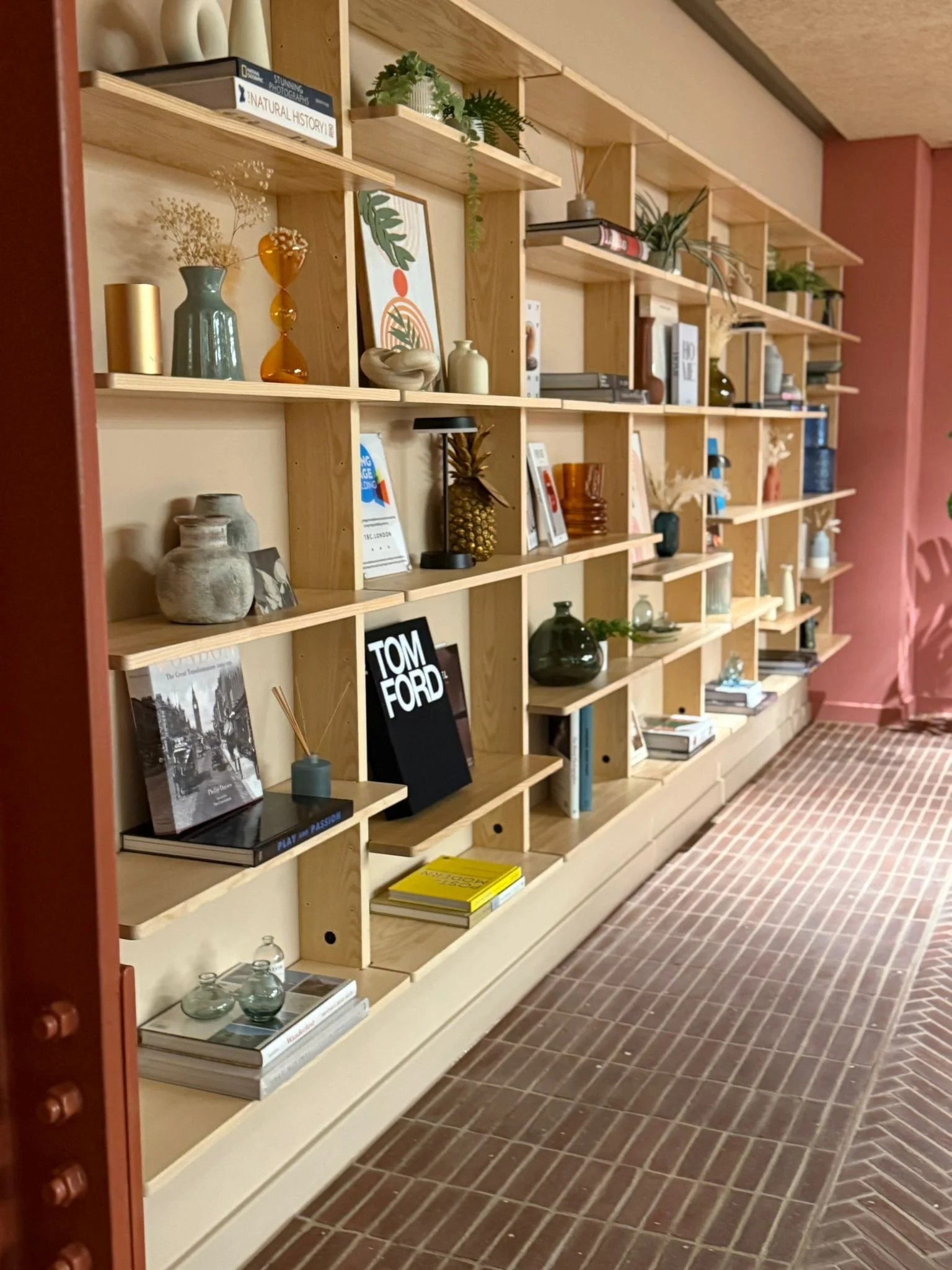
It’s worth pausing on the building itself: TBC London
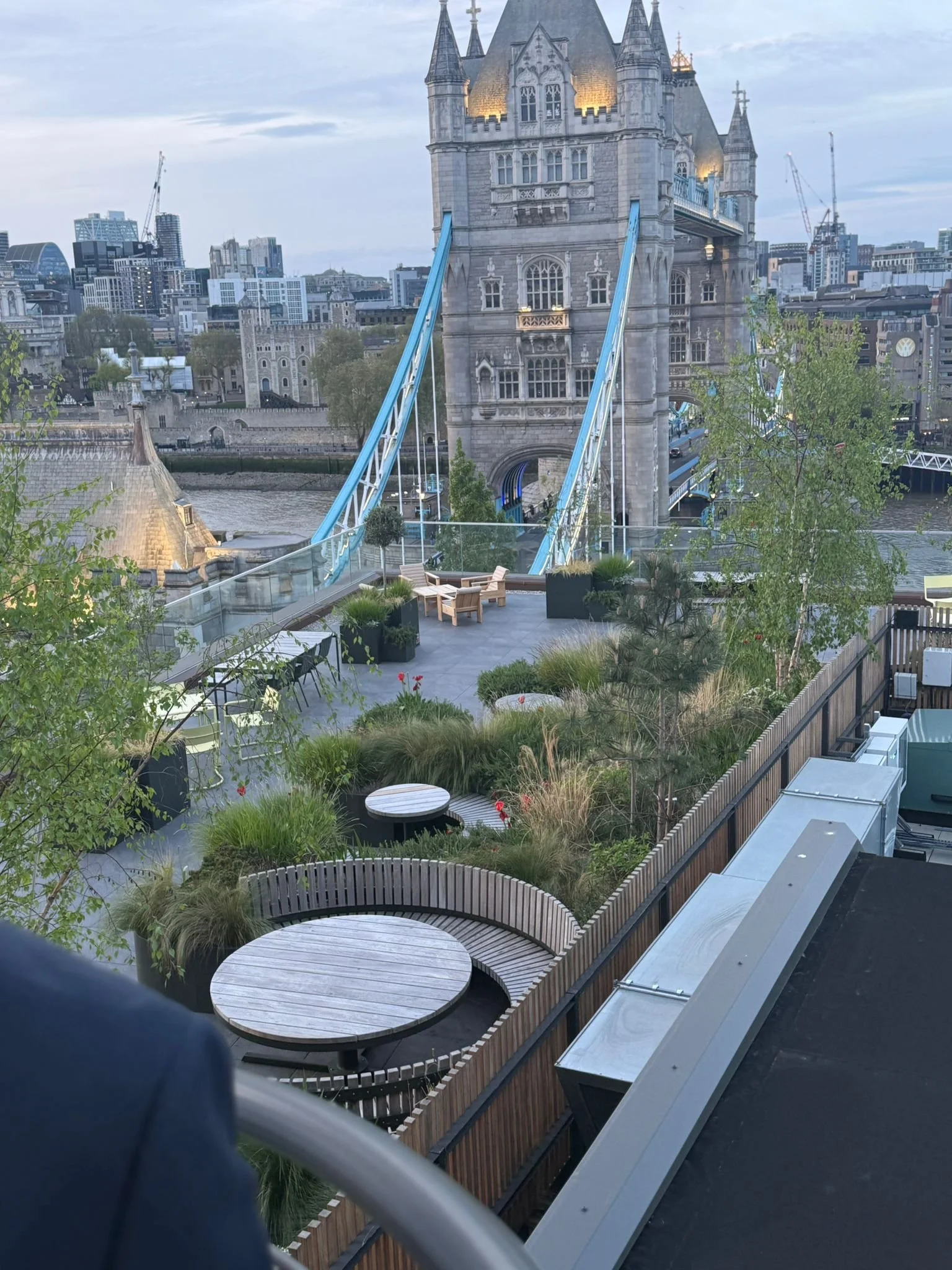
It's a net zero carbon workspace, EPC A, 100% electric and powered by certified renewable energy, designed with wellbeing at its core. It has terraces overlooking the Thames, a lush rooftop garden space. There are 150+ sensors monitoring performance across the building and - the most interesting fact I heard was that that the paint on the walls eats greenhouse gases. (I hope I didn't make that up).
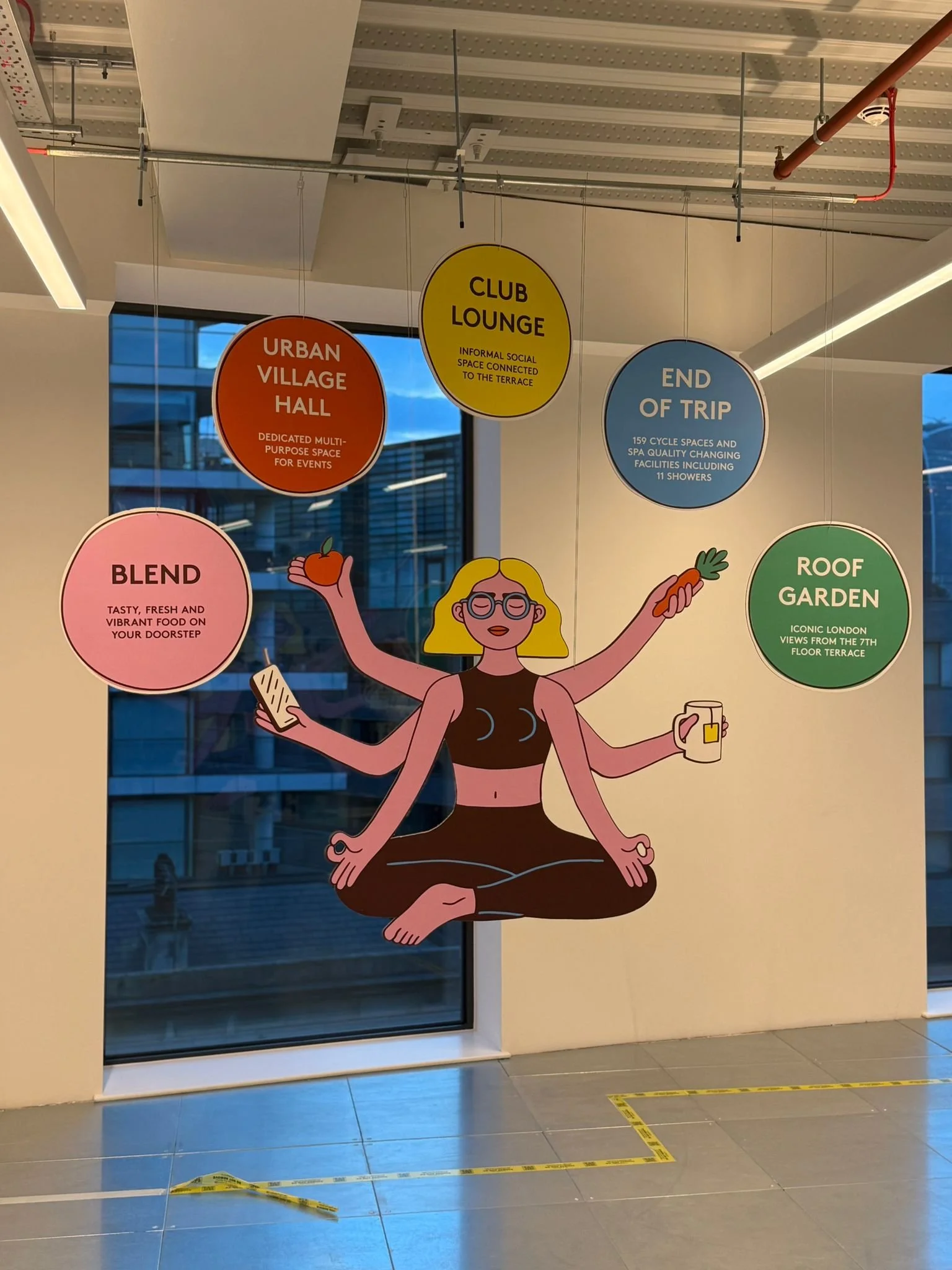
There is a big focus on the customer experience in design. A double-height reception designed to feel like an “urban oasis.” There will be a a club lounge, an Urban Village Hall for community use, cycle facilities, showers, social spaces - all things designed to make the building feel like more than just a place to work.
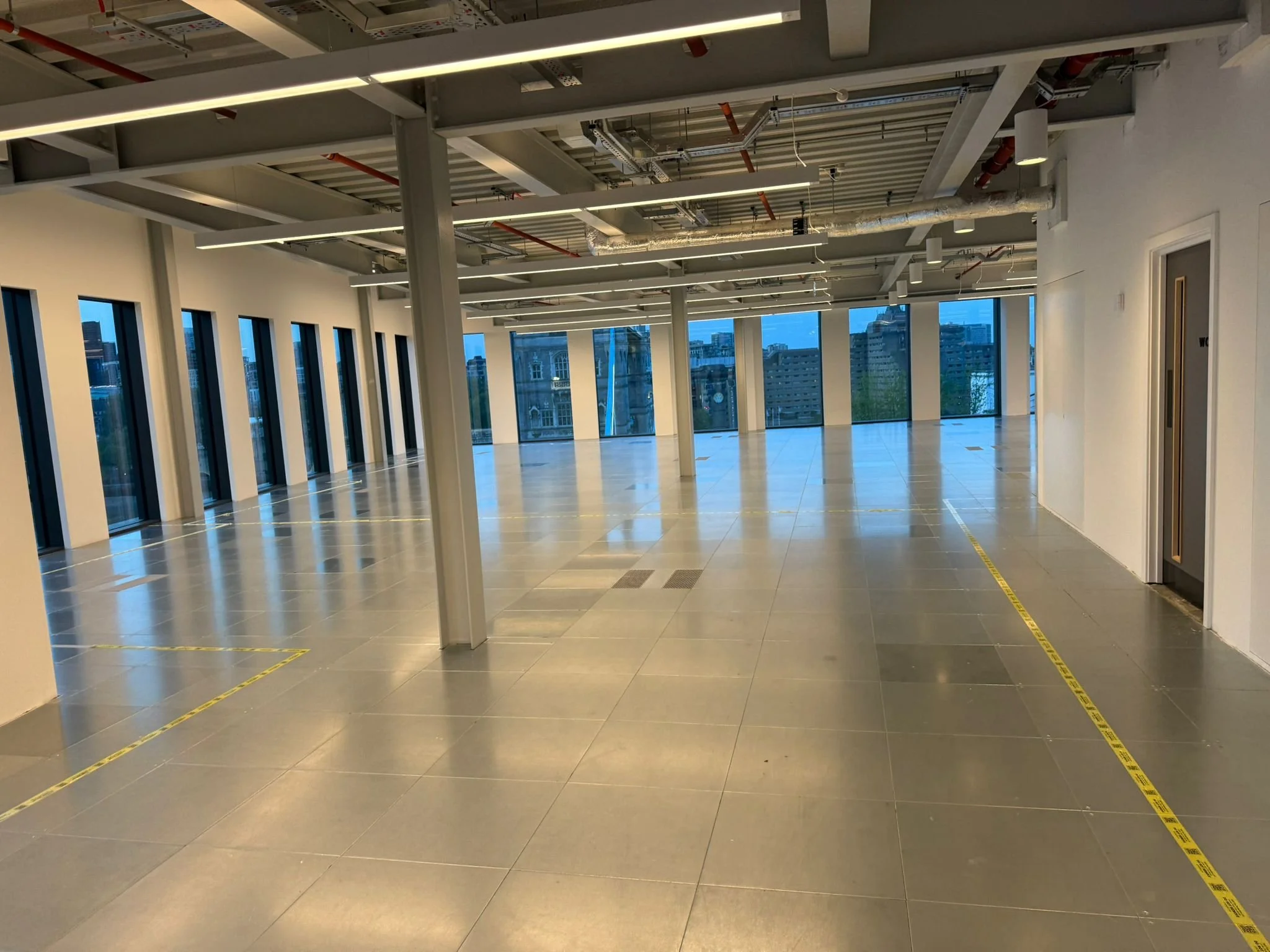
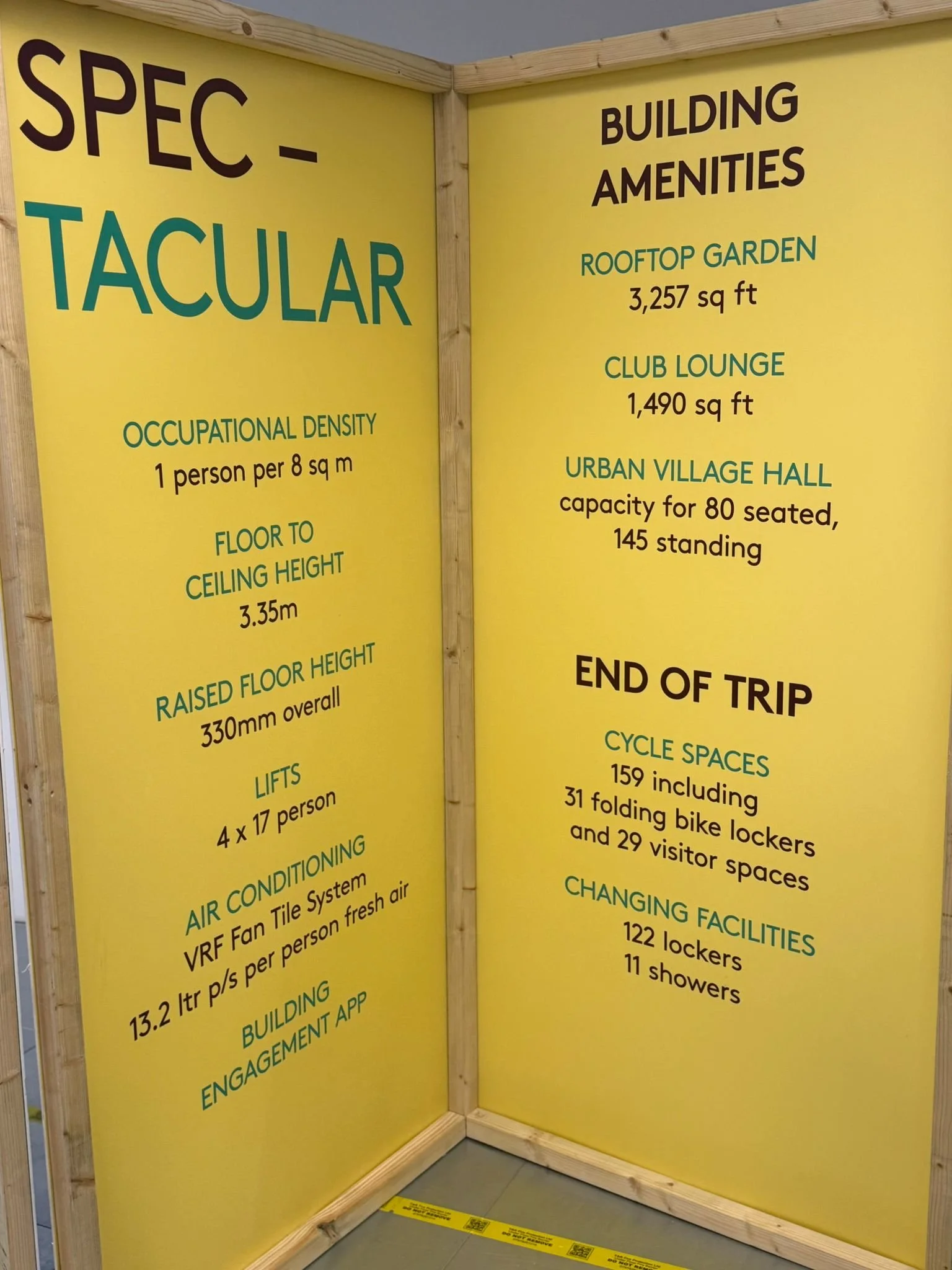
It is, in many ways, a best-in-class example of where the market is heading, and what that means for property managers
One thread running through the panel discussion was the extent to which real estate sustainability is an operational discipline, and what that means for building, property managers, facilility and asset managers.
Because even in buildings like this - beautifully designed, highly specified, sustainability-led - performance will be very much linked to how they are run.
I have talked about this and other reflections below. Here are my 8 takeaways for the people actually responsible for running buildings.
1. A green building can still perform badly if it's operated badly
We heard an examples of an occupier complaining that their buildings wasn't as efficient as advertised, only to realise that both the heating and cooling where on simultaneously, while the dock doors were left wide open.
You can have a BREEAM Outstanding building, EPC A, packed with sensors measuring everything from lifts to space utilisation… and still waste energy.
2. Occupier behaviour is one of the biggest hidden variables in building performance
In many cases, occupiers may not even realise why or how they are wasting energy. They aren’t making deliberate decisions to undermine the building. They simply don’t have the visibility or understanding to behave differently.
In one example, audits across portfolios have picked up “odd behaviours” - patterns in the data that prompt engineers to investigate, only to find systems working against each other or being misused in ways no one intended. That's where the role of really strong property management plays a role.
3. Even with FRI leases, real estate operators often still provide strong occupier engagement to help occupiers hit their goals
Emma Williamson made this point very clearly. Even in a portfolios where 80% of assets are let on FRI leases, they are still running ESG engagement programmes, carrying out audits, and feeding insight back. There was a strong sense that “the occupier is responsible” is not a sufficient strategy.
4. Property managers are becoming the operational and data front line of sustainability
Property managers are the people closest to what is actually happening in the building. They see the issues first, hear from occupiers, and understand how the building is being used day to day. At the same time, they are increasingly being pulled into data - collecting it, interpreting it, and responding to it. They are effectively sitting at the intersection of building performance, occupier behaviour, and operational reality, and expected to connect all the dots.
5. There is a growing skills gap in property management
The role has changed significantly, but the industry hasn’t fully caught up. We’ve expanded the scope of the role without really redesigning it, and in many cases, without properly investing in the skills needed to do it well.
Now we are expecting property managers to understand ESG strategies, interpret building data, influence behaviour, and deliver customer experience. The industry now has more sustainability data than many teams can realistically absorb - one large trophy building in London has their own Head of Sustainability.
6. The best-performing buildings depend on alignment between PM, FM and asset manager
Building performance is not driven by one role. It depends on alignment between the property manager, facilities manager, and asset manager. When those three are working together, things tend to work. When they’re not, issues surface quickly, often first in the data, but more importantly in how the building actually feels to occupiers.
7. Sustainability can support leasing and renewals — but occupier demand is often partly guesswork
There are clear examples of sustainability supporting leasing and renewal outcomes. At the same time, there was an acknowledgement that in many cases, this is still a judgement call. Different sectors care about different things. For some, real estate is a tiny proportion of their overall carbon footprint. For others, it's huge. Priorities change,and so does regulation and compliance risk.
It reinforced the importance of doing the work on customer insight to know where they stand.
8. The next frontier isn’t just efficiency — it’s understanding how buildings make people feel
As Basil Demeroutis put it
The real opportunity is not just using data to understand why certain places make us feel good — and how to increase the social value of buildings.
That’s a different level of ambition. Because ultimately, the real value of a building isn’t just in how efficiently it runs. It’s in how it’s experienced. And if we can start to measure that properly it changes the conversation entirely.
Final thought
If you’re making sustainability decisions without understanding how your buildings are actually being experienced or how your occupiers’ priorities are shifting, you’re guessing.
If you’re ready to change that, whether through a customer insight survey, a GRESB survey, or a deeper piece of work, that’s what we do.
At RealService , we help real estate businesses put customer experience at the centre of decision-making so you can retain customers, lease faster, and run better-performing buildings.
For more insights like this, follow me: Chenai Gondo, PhD
To learn more about RealService: https://www.real-service.com/
To learn more about event hosts MapMortar: https://www.mapmortar.io/
To learn more about TBC London: https://rx.london/property/tower-bridge-court-224-226-tower-bridge-road-southbank/