5 Things the Launch of Broadgate Central Got Right About Customer Experience, Destination Marketing & Social Engagement - by Chenai Gondo
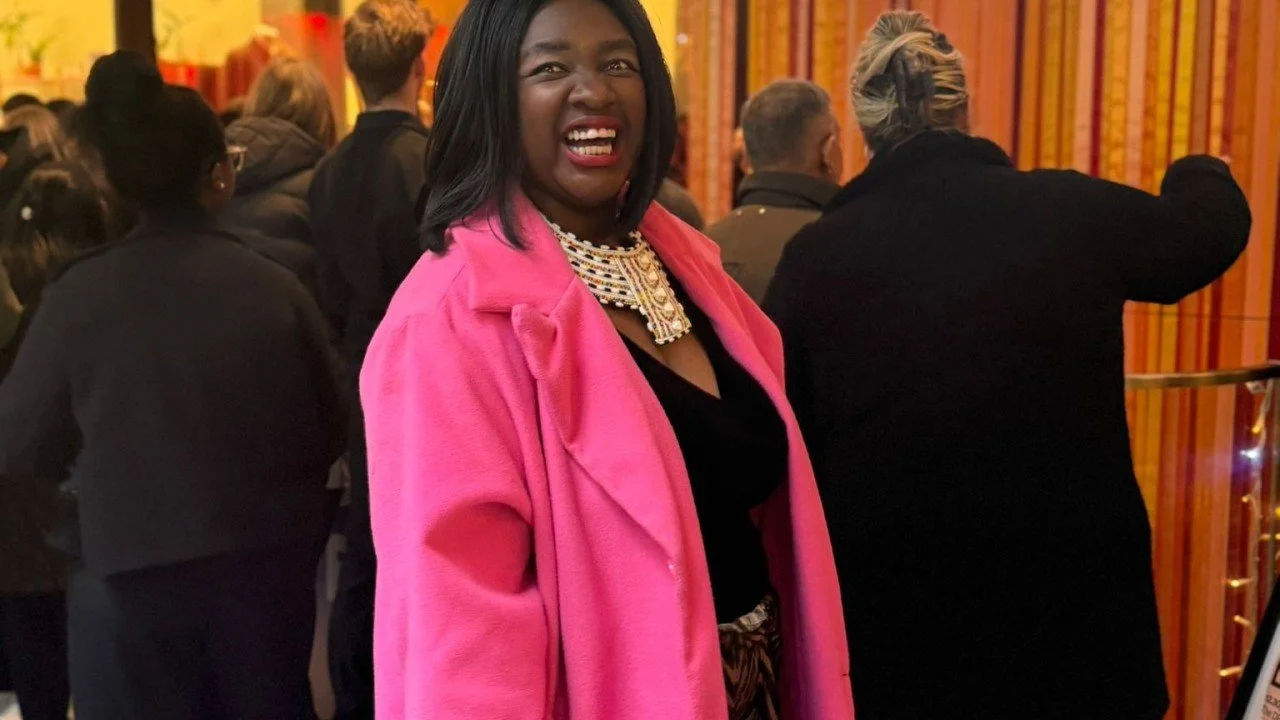
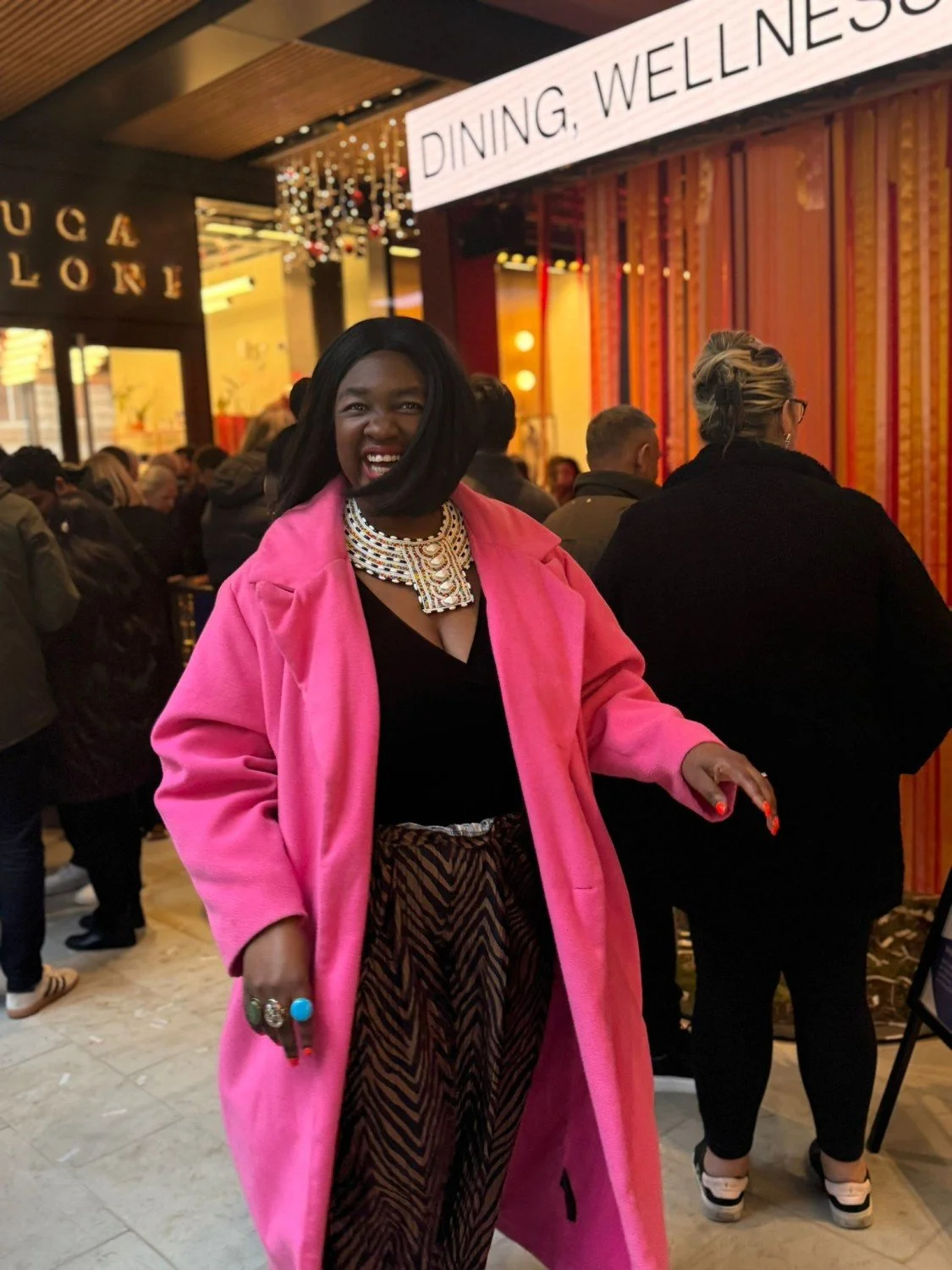
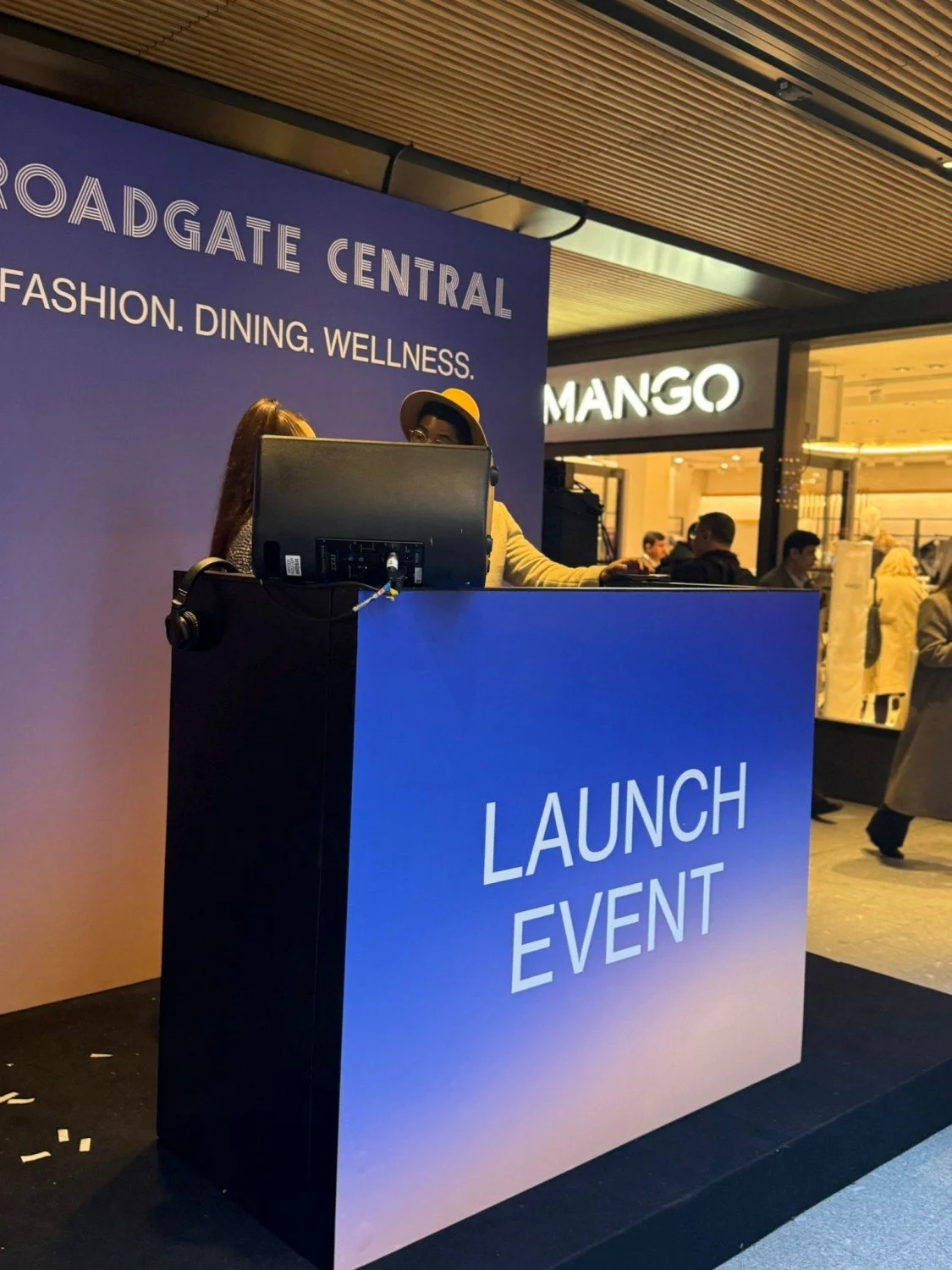
Our office sits right by Liverpool Street, so like everyone else in the neighbourhood, I stepped out at lunchtime yesterday to join the launch of Broadgate Central - London’s newest retail destination.
At RealService we are obsessed with everything to do with customer experience in real estate - mostly primary customer insight research but we also deliver destination activation and social engagement. I had absolutely no part in this launch, but game recognises game, and Thursday was a reminder of the fundamentals.
If you work in this space, here's my take on the 5 real, practical lessons for destinations of any size and any budget:
1. Their social media strategy actually had a pulse.
In the days before the launch, my feed was full of British Land employees holding those oversized “newspaper” props. Full disclosure: I used to work at British Land. I know the team. I’m biased. But even with all that - they executed exceptionally well.
It was a funny, catchy marketing campaign, especially when someone kind of serious also made the post. It totally worked - after the second or third person I caught myself thinking, Okay… when’s this happening?
Most destinations still underestimate social media because they treat it like a chore instead of a multiplier. Rookie mistake.

2. They used real people, not just the corporate megaphone.
Social media works when it looks human, not corporate. Yes, company pages matter. But nothing beats humans.
Every post I saw came from an individual - staff, collaborators, partners. That’s how you trigger the algorithm. Those individual posts probably racked up hundreds of thousands of impressions collectively - and could even have have dwarfed whatever the official website pulled.
Real humans with real networks. That’s where the credibility sits. That’s where reach lives. That’s what nudges algorithms.
Destinations underestimate the simple power of employees, partners, retailers, and collaborators sharing content. When your community is active, your destination feels alive.
If your own people simply liked, shared, or posted about your destination more often, you’d increase your reach instantly. Free distribution.
3. They built anticipation — even with something simple.
By 12:30 the rumour mill said “ribbons will be falling from the sky with giveaways.
”In my head? Thousands of ribbons raining down like some Willy Wonka fever dream.
Reality? One giant cube of ribbons with QR codes attached. It was cool.
But here’s the point: People showed up on time. The energy was there before the event even started. The crowds were massive.
Anticipation is a strategic tool. It doesn’t have to be expensive. It just has to be intentional. It is a currency.
4. They nailed the cultural tone.
A DJ dressed like they were having the time of their life. Music bumping. A vibe.
Every sense activated.
Some destination events feel very safe and corporate, but miss the heartbeat of the location. This one understood what London actually feels like.
5. They created momentum through micro-interactions.
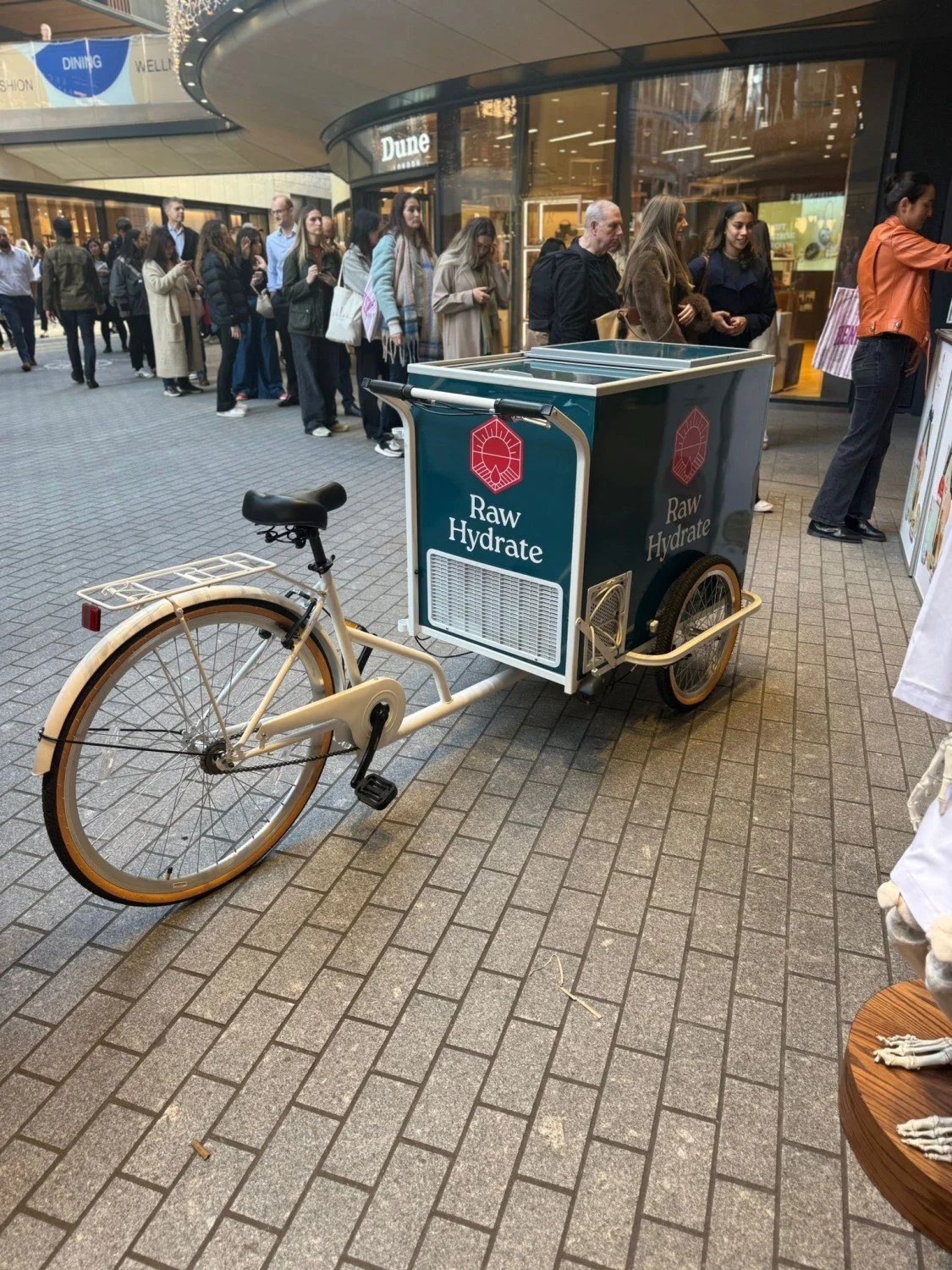
Retailers were out with samples, small booths, tasters - all creating that buzz and “market” feel.
Queues formed.
And you know how queues work - suddenly everyone assumes something exciting is happening. It’s the nightclub line illusion: you choose the one with the longest lines, wait forever, you get inside, it’s not that full… but the magic worked anyway.
And yes — I ended up shopping. Not a full spree (I’m still a CEO on my lunch break), but enough to remember where I’ll be back. And I will be back.
People want to feel something. They want energy. They want to be part of a moment.
Real estate may be physical, but activation is psychological. And when the two meet intentionally, you get genuine buzz.
If you own or manage a destination that needs a spark and you’re unsure where to even begin, reach out. Your “falling ribbon QR-code moment” might be one good idea away.
For more takes like this, follow me — Chenai Gondo, PhD